Fire and flowers: Sparking climate action through curiosity and collaboration
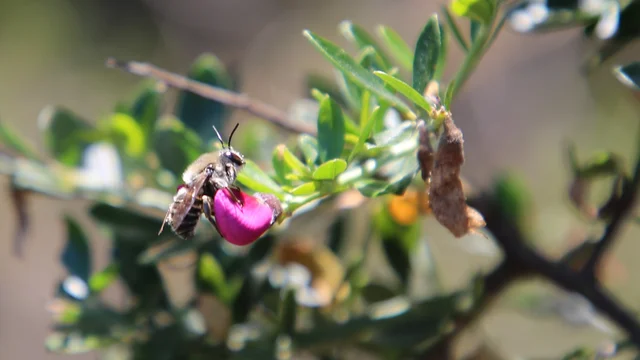
On Mt. Tamalpais, volunteers got to witness life springing back after a prescribed burn. They squished carefully through wet meadows, scanned lake shores, and peered into forest edges. We documented species in these rejuvenated habitats from mosses and fungi to wildflowers and insects. And we made a few discoveries!
This experience highlights how curiosity can become a climate action in the parks, and beyond. As Director of Community Science, Dr. Lisette Arellano, shares, “By going out and looking into a landscape, we’re gathering evidence, we’re forming hypotheses. It builds the skills of inquiry that we need to answer difficult questions.” Documenting biodiversity is an important climate action because it helps track change over time – ultimately informing how we care for the places we love.
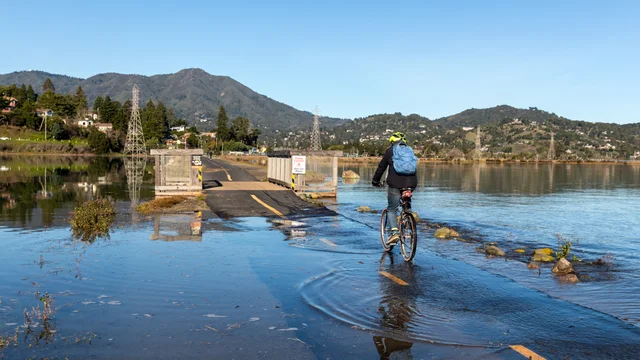
Park managers are also tracking change and working together at bigger scales to address the impacts of climate change, and other challenges such as invasive species. For example, the prescribed burn our volunteers helped investigate stemmed from an important body of work our One Tam partnership is advancing to improve forest health and resilience. This work is even more important now than ever as climate change intensifies.
Together with the community, we’ll continue asking questions and taking action. Noticing what’s around us not only kindles learning, but sparks the hope and fun that may keep you coming back. All you need is curiosity to get started.
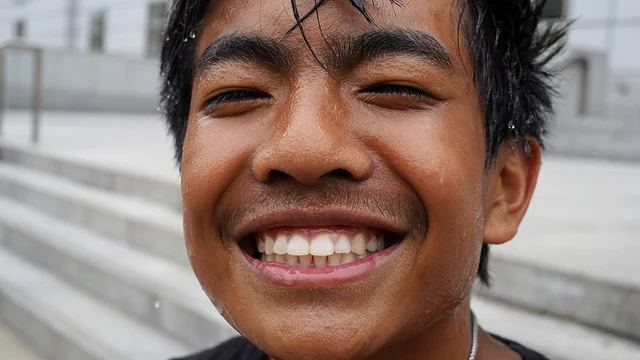
This story is one in a series that shows how climate action is taking shape in the parks and how community members can help. See our other videos about caring for coasts in a changing climate and youth climate leaders below, and join us at an upcoming volunteer event!