Notes from the Field: The Impact of Bilingual Programming in the Parks
Reflections from Christian Trujillo

Yakuta Poonawalla / Parks Conservancy
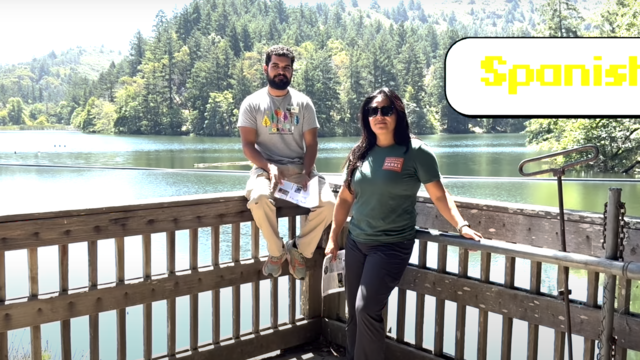
In the "Notes from the Field" series, we highlight stories from our incredible staff members in their unique roles at the Parks Conservancy. This week, we’re featuring Program Manager Christian Trujillo, who works with the Parks Conservancy's Community Stewardship and Engagement team. Stories like Edwin's are part of the rich intersection of identities that make up the Parks Conservancy. Here's Christian's story in his own words:
During Latino Heritage Month, I find myself reflecting on why this work matters so deeply to me and how much of it is connected to my own lived experience.
Why Language Access Matters in Public Spaces
Growing up Latino, I often served as a translator for my dad's side of the family. Many of my relatives were monolingual Spanish speakers, and I saw firsthand the challenges they faced when navigating spaces that were not designed with them in mind. Whether it was filling out forms, asking questions, or simply feeling comfortable in public spaces, language often became a barrier. Too often, they were made to feel like they did not belong.
Those experiences shaped how I view community engagement today. As someone who speaks both English and Spanish, I wanted to use that ability to help ease the burden and shame that many monolingual Spanish speakers can feel. Unfortunately, many members of our community have experienced situations where they are judged or looked down upon because they do not speak English. The last place they should feel that way is in our parks and open spaces.
Creating Welcoming Environments Through Bilingual Programs
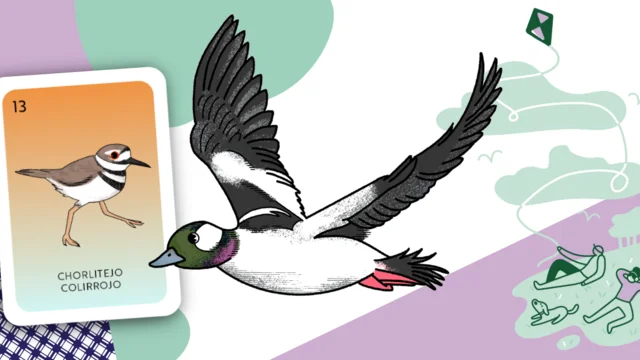
Through our bilingual programming, we strive to create welcoming environments where people can learn, explore, and connect in the language they are most comfortable speaking. One of the things I hear most often from participants is gratitude. Families, parents, and elders regularly thank us for sharing knowledge in a way they can easily understand. They appreciate having staff who speak their language and who approach them with respect and understanding rather than judgment.
Representation Matters: Seeing Bilingual Latino Staff in Leadership
What touches me the most is hearing participants tell us how much it means to see bilingual Latino staff members in leadership roles. Many have shared that they have spent years in spaces where they did not feel represented or welcomed. When they see people who look like them, speak their language, and understand their experiences, it changes the entire dynamic. They become more comfortable asking questions, participating in activities, and engaging with nature in ways they may not have before.
Every time I lead one of these programs, I think about my own family. I think about what it would have meant for us to see someone who looked like us and spoke our language leading outdoor education programs when I was growing up. It shows people that they belong and that the outdoors is for everyone.
Building Belonging for the Next Generation
For me, this work is about more than providing information. It is about creating space for people to feel valued, respected, and connected. It is about ensuring that community members can experience the joy of learning without the fear of being misunderstood or judged. Most importantly, it is about giving today's families opportunities that many of us did not have growing up.
That is why bilingual programming is so important to me. It helps build bridges, foster belonging, and ensure that everyone can see themselves reflected in the spaces we create and the communities we serve.