Crissy Field at 25: A Blueprint for Climate-Ready Waterfronts

Kirke Wrench/National Park Service
Editor's Note: A version of this article first appeared on "Urban Land," the website of the Urban Land Institute (ULI). Presidio Tunnel Tops was also selected for the 2026 Americas Awards for Excellence by ULI. Our thanks for their recognition of the impact these national parks projects can have.
By Charmaine Curtis
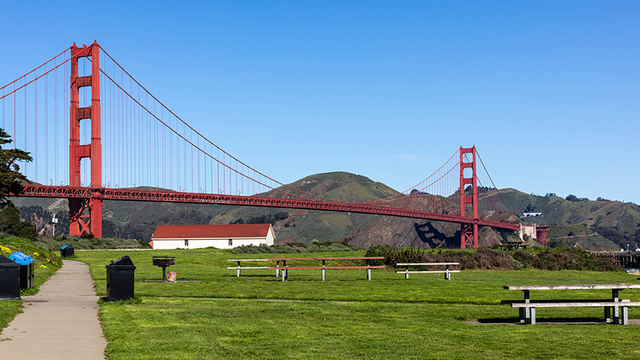
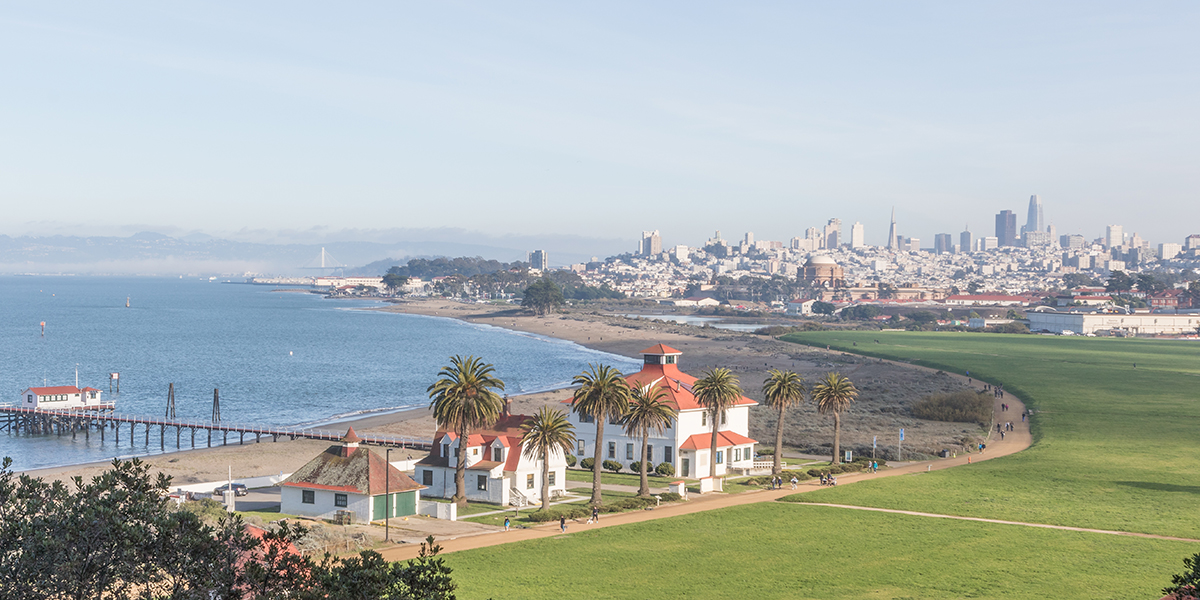
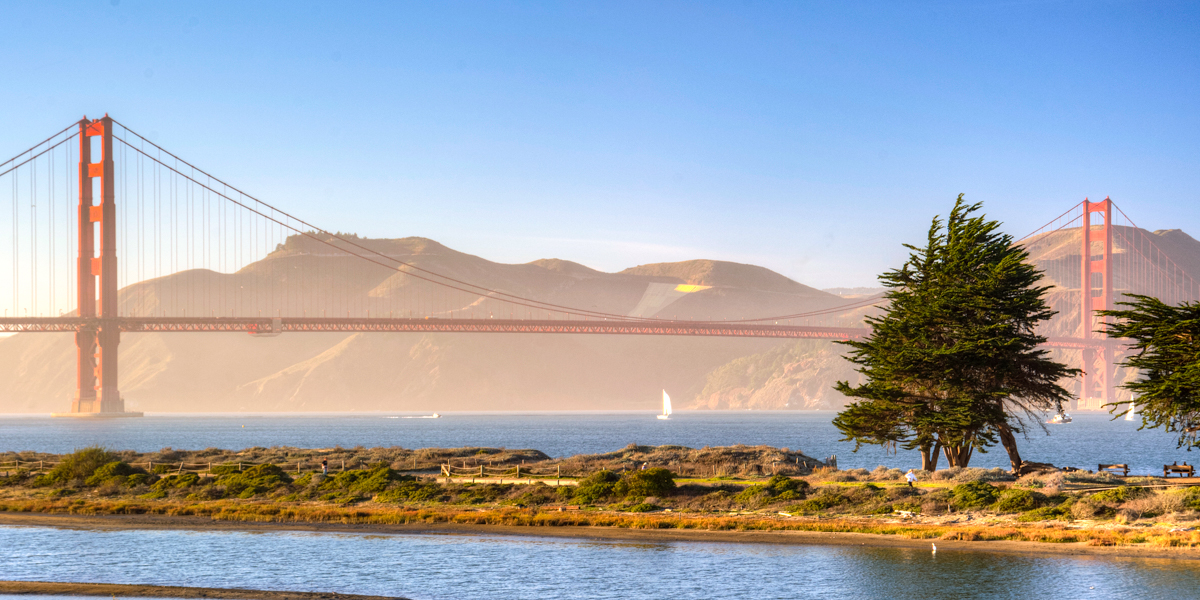
Before its transformation 25 years ago, Crissy Field was an eyesore on San Francisco’s waterfront, 100 acres of cracked concrete from an old airstrip and a scattering of old and unused military structures in the Golden Gate National Recreation Area. It also had one of the most spectacular views in urban America, an arms-wide-open panorama of the fog rolling through the towers of the Golden Gate Bridge.
This year marks the 25th anniversary of Crissy Field’s transformation into one of San Francisco’s most beloved public spaces, a place where generations of Bay Area residents have gathered to walk, picnic, fly kites, reconnect with nature, and enjoy the waterfront together, often with the simple invitation: “Meet me at Crissy Field.” The transformation was made possible by an outpouring of support from the community, strong partnership between the National Park Service and the Golden Gate National Parks Conservancy, and the vision and leadership gifts of the Evelyn and Walter Haas, Jr. Fund.
Looking back now, Crissy Field feels strikingly ahead of its time.
“What makes Crissy Field especially remarkable today is how relevant it still feels,” said Mary Margaret Jones at Hargreaves Jones, the landscape architecture and urban design firm behind the transformation of the former military airfield into the beloved waterfront park and marshland we know today. “As communities across the Bay Area rethink vulnerable shorelines, many are embracing ideas that were embedded in Crissy Field from the beginning.”
When Crissy Field reopened in 2001, it offered an early example of what’s possible when cities work with nature instead of against it. Long before climate resilience and sea level rise adaptation became central to planning conversations, Crissy Field demonstrated how restored marshes, dunes, and open shoreline could help protect the waterfront while creating spaces that are both resilient and welcoming.
“You can see that influence across the region,” Jones said. In Berkeley and Albany, plans for the former Golden Gate Fields site center on public access, habitat restoration, and shoreline resilience. At San Francisco’s Pier 70, a major waterfront redevelopment incorporates a retreating shoreline strategy designed to adapt to rising seas over time.
Kirke Wrench/National Park Service
Crissy Field helped show that resilience doesn’t have to mean walls and barriers. It can also mean living systems that absorb water, adapt over time, and remain deeply connected to the people who use them every day.
“Crissy Field is an enduring blueprint for how urban waterfronts can reflect cultural history, restore ecological function, and create meaningful public places,” said Claire Mooney, the Golden Gate National Parks Conservancy’s Vice President for Park Projects & Conservation. The Parks Conservancy is the park’s philanthropic partner that led the project with the National Park Service (NPS). “The project shows how design can honor what came before while creating a place that continues to serve people and the landscape over time.”
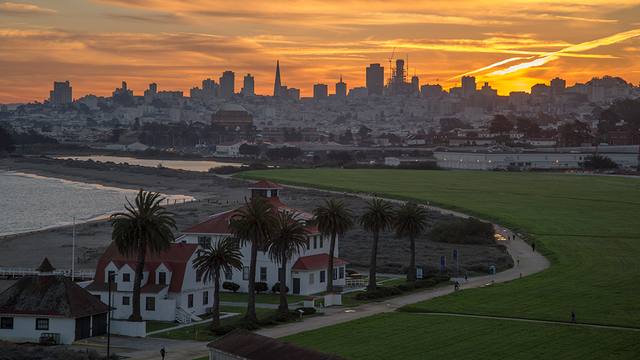
The transformation of Crissy Field was guided by a design approach that sought to make the site’s layered history visible while enhancing public access along the waterfront. Planning for the project included engagement with Ohlone representatives to acknowledge the site’s deep Indigenous history. The design evokes the military airfield era through subtle references, including the alignment of paths and open spaces, while preserving and adaptively reusing historic hangars and structures around the field for education and community use. Together, these elements allow visitors to experience Crissy Field as a place shaped by its history, natural processes, and contemporary civic life.
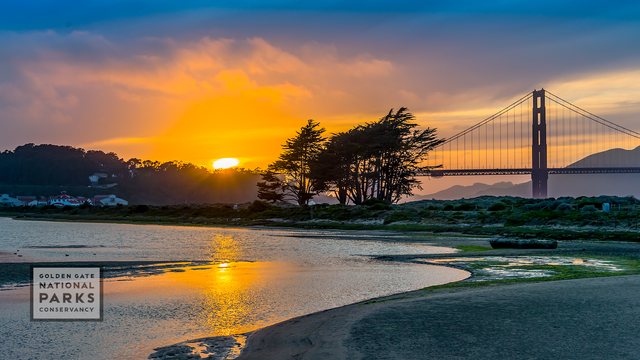
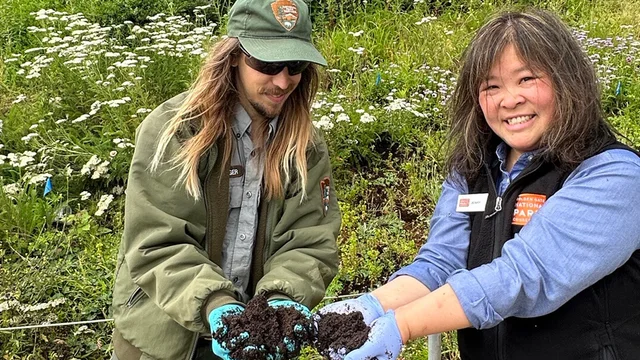
The project restored ecological connections that had been severed for decades. Teams of project specialists reconnected 40 acres of tidal marsh to the Bay for the first time in a century, rebuilt beaches and dunes, and constructed a curving promenade along the shoreline. Volunteers played a key role in planting native vegetation and supporting habitat restoration efforts, helping create conditions that welcomed the return of more than 135 bird species. As the landscape recovered, people returned as well. Today, Crissy Field is a destination for millions of visitors each year.
Ripple Effects
As sea level rise, storm surge, and coastal flooding increasingly threaten urban waterfronts, Crissy Field has become more than a beloved public space. It has become a working model for climate adaptation. What began as a $34 million restoration project in 2001 anticipated many of the challenges cities are now racing to address decades later.
At a time when most waterfront projects still relied heavily on hard infrastructure and shoreline armoring, Crissy Field embraced a different approach: restoring tidal marshes, rebuilding dunes, allowing ecological systems to function naturally, and designing for flexibility over time. That strategy reset expectations in the Bay Area for what resilient waterfront development could look like.
Early on, designers resisted the idea of sealing off fragile habitats from people. At Crissy Field, public access was carefully threaded through the restored marsh. A pedestrian bridge crossed one edge of the tidal habitat, allowing visitors to move through the landscape without overwhelming it.
“Successful nature-based projects often allow people to interact with the spaces around them,” said Amy Hutzel, Executive Officer, California State Coastal Conservancy. “People need to move through these types of spaces to understand and appreciate them.”
Mason Cummings / Parks Conservancy
Today, Crissy Field serves as a visible demonstration of how nature-based systems can help urban shorelines absorb rising tides, manage flooding, and adapt over time, lessons increasingly relevant to cities facing mounting climate pressures.
“The design shows how restoration is not a one-time project, but an ongoing response to changing conditions. This shoreline is able to move and adapt, which is exactly what coastal cities are trying to figure out right now,” said Kevin Conger, a principal at CMG Landscape Architecture.
Conger worked on Crissy Field and his firm also leads landscape designs on San Francisco's Treasure Island, where a new neighborhood is being built on a man-made island in the middle of San Francisco Bay. There, new parks have stormwater gardens that filter water before it enters the Bay. Future phases will have tidal marshes to allow floodwaters to enter and be absorbed.
The ripple effects of Crissy Field are now visible across the Bay Area, where planners, landscape architects, and public agencies increasingly view resilient shorelines as essential civic infrastructure.
Projects including MLK Jr. Regional Shoreline, the Palo Alto Baylands, Treasure Island, and the proposed new waterfront park at the former Golden Gate Fields horse track in the East Bay all reflect principles that Crissy Field helped bring into the mainstream, Hutzel said, from designing with natural systems and restoring tidal landscapes to expanding public access and planning for long-term sea level rise adaptation rather than relying solely on hard shoreline defenses.
Jones agreed. “Twenty-five years ago, sea level rise was still treated as a future possibility rather than an immediate planning reality,” she said. “At Crissy Field, resilience was treated as central to the project from the beginning. That mindset is now becoming essential for waterfront cities everywhere.”
The project’s foresight is even more striking considering California had not yet formally integrated climate adaptation into statewide land-use and infrastructure planning. It wasn’t until 2008 that then-Gov. Arnold Schwarzenegger directed state agencies to study the effects of global warming and develop adaptation strategies. By then, Crissy Field was already demonstrating what climate-responsive waterfront planning could look like in practice.
Long-term Stewardship
Today, Crissy Field is still adapting and leading. And its resilience comes in many forms, thanks to strong partnerships between the Parks Conservancy, NPS, Presidio Trust, and the community.
A newly restored seven-acre tidal marsh, Quartermaster Reach Marsh, connects freshwater from the Presidio’s largest watershed to the saltwater Crissy Marsh and ultimately to San Francisco Bay.
As the capstone to the Presidio’s “post-to-park” transformation, the Presidio Tunnel Tops project created a world-class public space that connects Crissy Field and the Main Post, and welcomes people of all backgrounds.
Long-term resilience investments continue across the site. Presidio Tunnel Tops was made possible by seismic work on the Doyle Drive Tunnels, while the historic Crissy Field Hanger once used to house early aircraft, and the Crissy Field Center for youth education also underwent significant seismic upgrades.
Alison Taggart-Barone / Parks Conservancy
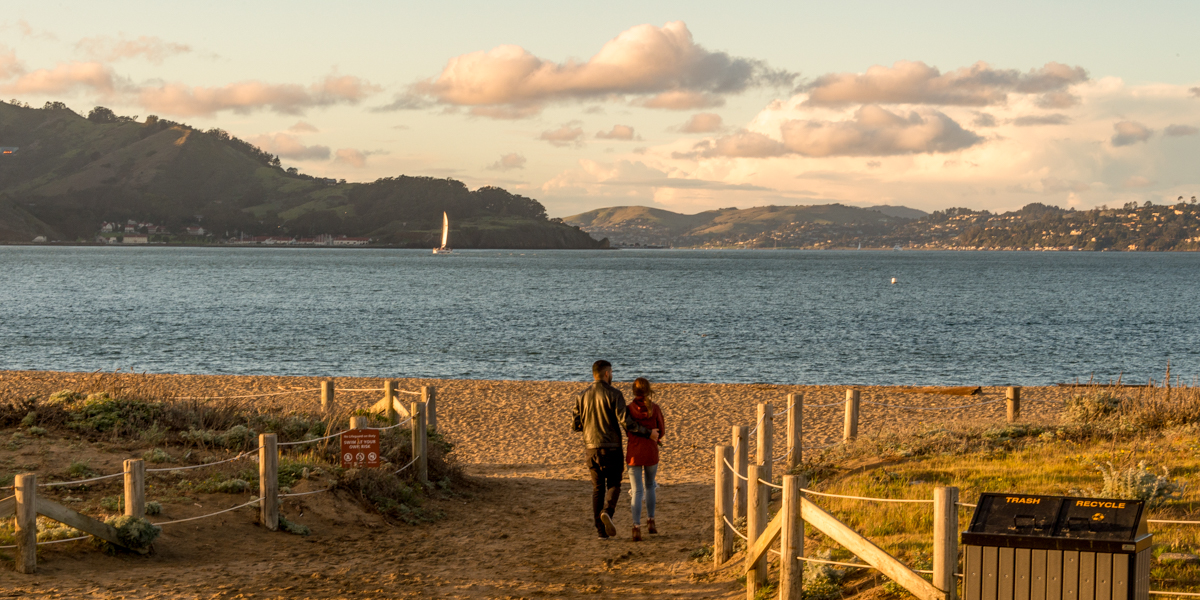
Crissy Field also demonstrates that resilient infrastructure requires long-term stewardship, public investment, and community engagement. After 25 years of the Crissy Field Center and nearly 800,000 participants, youth programs continue to connect climate science, stewardship, and belonging, helping prepare the next generation of climate leaders. On top of that, ongoing volunteer programs care for its beaches, dunes and plant life.
“Crissy Field reminds us that when we work together, we can create something lasting and meaningful. It’s a place for everyone to share and respect this stunning shoreline,” said Mooney. “The transformation reimagined what urban waterfronts can be not just public amenities, but resilient civic infrastructure designed to serve and inspire communities for generations.”
Charmaine Curtis is principal of Curtis Development based in San Francisco with over 25 years of experience successfully developing market rate and affordable housing. She is a long-time supporter of Crissy Field.