See the dramatic Crissy Field transformation unfold
Crissy Field restoration: Before & after
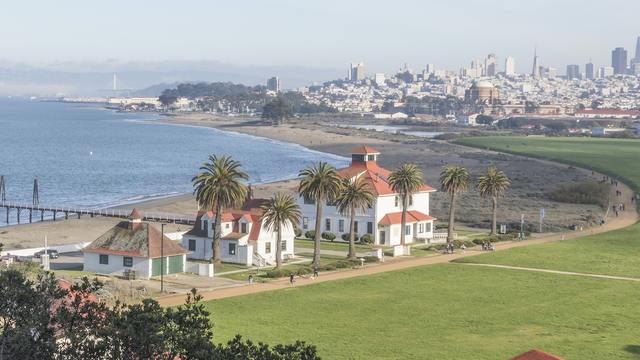
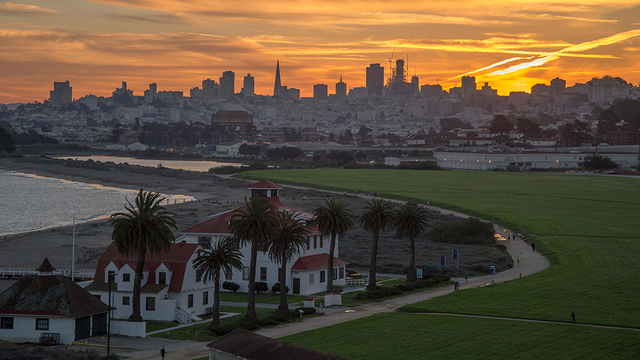
Crissy Field is a go-to spot for everyday moments: a walk with a friend, a family afternoon by the water, a pause to watch birds over the marsh. But it didn't always look like this.
Before 2001, the beloved San Francisco park was in disrepair. Through the hard work of the Golden Gate National Parks Conservancy and the National Park Service, along with the generosity of the community and the Evelyn and Walter Haas, Jr. Fund, the park was transformed into an urban oasis.
The sliders below show how this beloved San Francisco shoreline changed from "then" to "now." Click and drag the center of each image to compare the views.
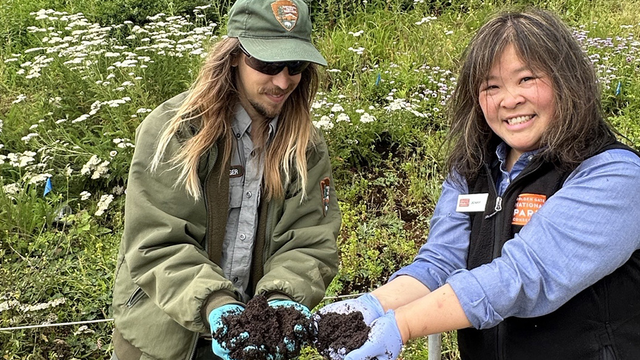
As you can tell, the change was staggering. More than 3,000 volunteers helped completely overhaul the area. The most visible changes included the greening of the former concrete airfield, the cleanup of East Beach, and the restoration of Crissy Marsh.
Crissy Field is located on an ancient salt marsh and estuary that was used by Ramaytush Ohlone people as a fishing and gathering site, before it was filled in by early Spanish settlers and for the Panama–Pacific International Exposition of 1915. It then became a parking lot for the Presidio U.S. Army base. During the 2001 restoration, 230,000 cubic yards of soil was removed to restore the original marshland habitat and bring back great blue heron, snowy egrets, crabs, fish, and more than 50 species of plants and animals.
The transformation of Crissy Field was truly a community effort. Through the public "Help Grow Crissy Field" campaign, the Parks Conservancy raised $34.4 million; of 2,300 donations, 2,200 were $100 or less. The campaign was led by the vision and leadership gifts of the Evelyn and Walter Haas, Jr. Fund.
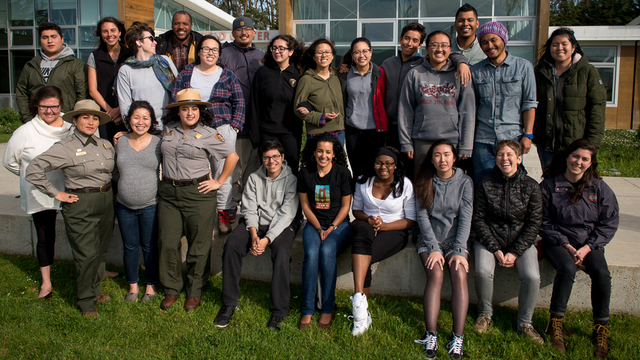
Crissy Field is a place where human connections to nature flourish every day. At the Crissy Field Center, which also got its start in 2001, youth engagement and environmental education connect young people to this shoreline as a living classroom. Youth leadership help build skills and confidence in the parks, linking park experiences with leadership development and climate learning.
Crissy Field exists because people cared enough to rebuild it, and it thrives when people stay involved. You can help by volunteering, supporting park education at the Crissy Field Center, or becoming a Parks Conservancy member to help sustain key habitat work and public access.
Crissy Field has changed many times over the decades. What stays consistent is its role as a Bay Area gathering place, where habitat restoration, climate action, and community life come together on the shoreline.
Related Products