Golden Gate Raptor Observatory Season Summary 2025

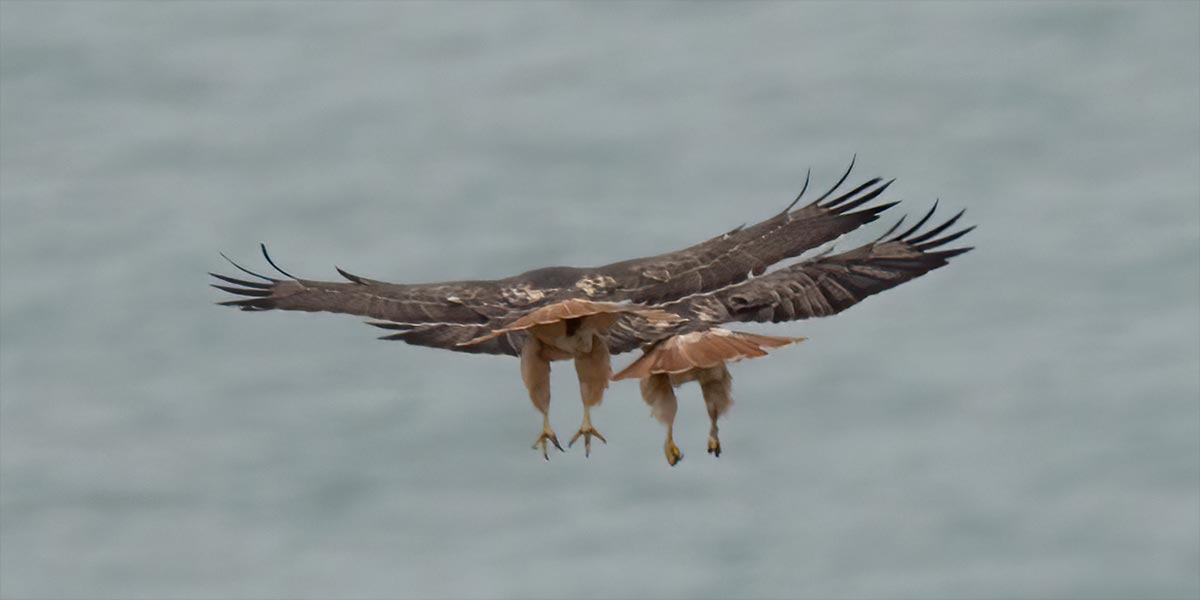
Illustration by Siobhan Ruck, inspired by Jeff Robinson’s photo of a juvenile Swainson’s Hawk banded September 2025 by the GGRO.
The Golden Gate Raptor Observatory (GGRO) is a community science program of the Golden Gate National Parks Conservancy in cooperation with the National Park Service. We're made up of 150 volunteers and a small staff. The GGRO promotes the preservation of California birds of prey through scientific research, outreach, and community involvement. Each year, we study and monitor the Pacific Raptor Flyway from Hawk Hill in the Marin Headlands, part of the Golden Gate National Recreation Area.
This GGRO Season Summary offers preliminary data and observations from the fall (August-December) 2025 raptor migration at the Marin Headlands, as well as updates on our programs and research.
We offer deep gratitude to the Gregory Hind Endowment Fund for critical support, and to the hundreds of people who donated in 2025.
The 2025 GGRO Season Summary was written by Carmen DeLeon, Rose Fielding, Gale Steck, and Eric Jepsen. It was compiled and edited by Lisette Arellano, Michela Gentile, and Mellice Hackett. Data was collected by our volunteers and compiled by Lisette Arellano, Carmen DeLeon, Rose Fielding, Gale Steck, and Eric Jepsen, with data visualizations by Jordan Sibley. If you would like to use GGRO data, please email tteb@cnexfpbafreinapl.betgro.ycnavresnocskrap@orgg . You can also view a PDF version of this document.
Introduction
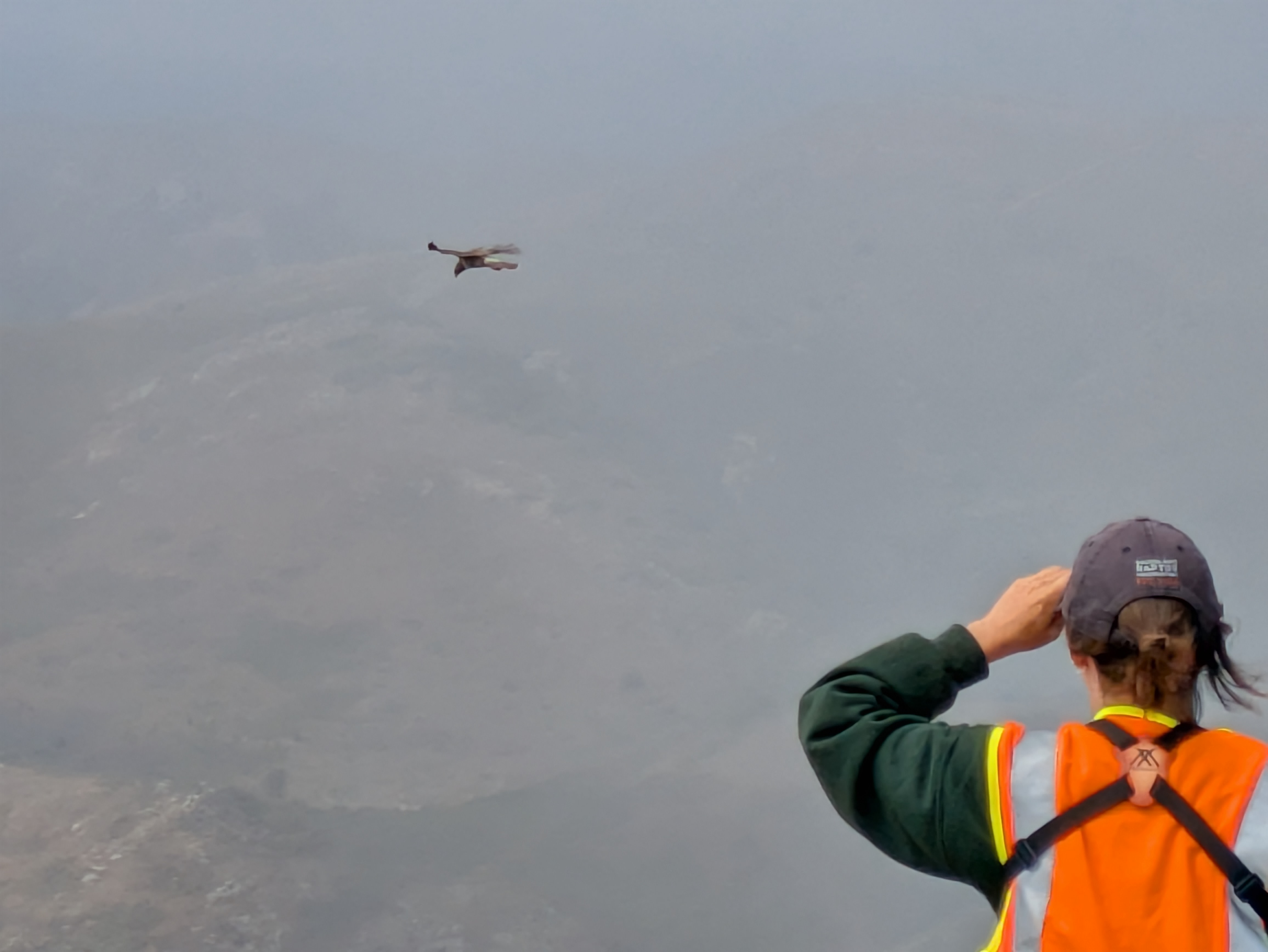
The 2025 fall raptor migration season was bookended by thick fog followed by icy wind. Between the less-than-desirable weather, we endured a six-week lapse in federal appropriations which paused data collection for both Hawkwatch and Banding, (which typically runs August-December each year), plus other delays to the start of our banding season. Through it all, our determination to document the migration stayed strong. Thanks to the unfailing dedication of our volunteers, we collected important data despite the shortened season. Our 2025 dataset can still be used to compare similar timeframes in our long-running GGRO data collection.
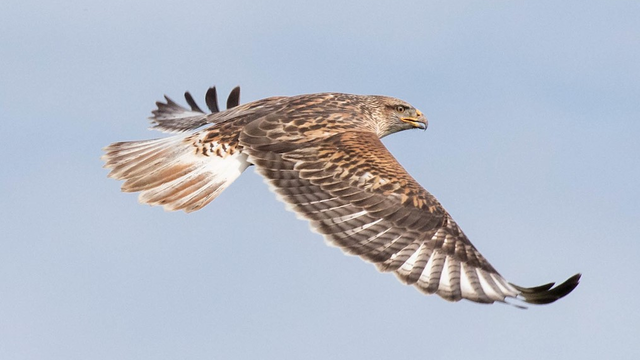
Both hawkwatchers and banders had rewarding days in the field this fall. Eye-level Rough-legged Hawks over the hill, the incredible spectacle of Broad-winged Hawks flooding the skies, an up-close-and-personal Peregrine Falcon in the banding blinds, and the beautiful array of Red-tailed Hawk color morphs (variations) we were privileged to see throughout the season—these highlights reminded us how lucky we are to witness this migration. We’ll keep our fingers and talons crossed for an uninterrupted 2026 season, and look forward to working again alongside the incredible people and birds that inspire this program.
Hawkwatch
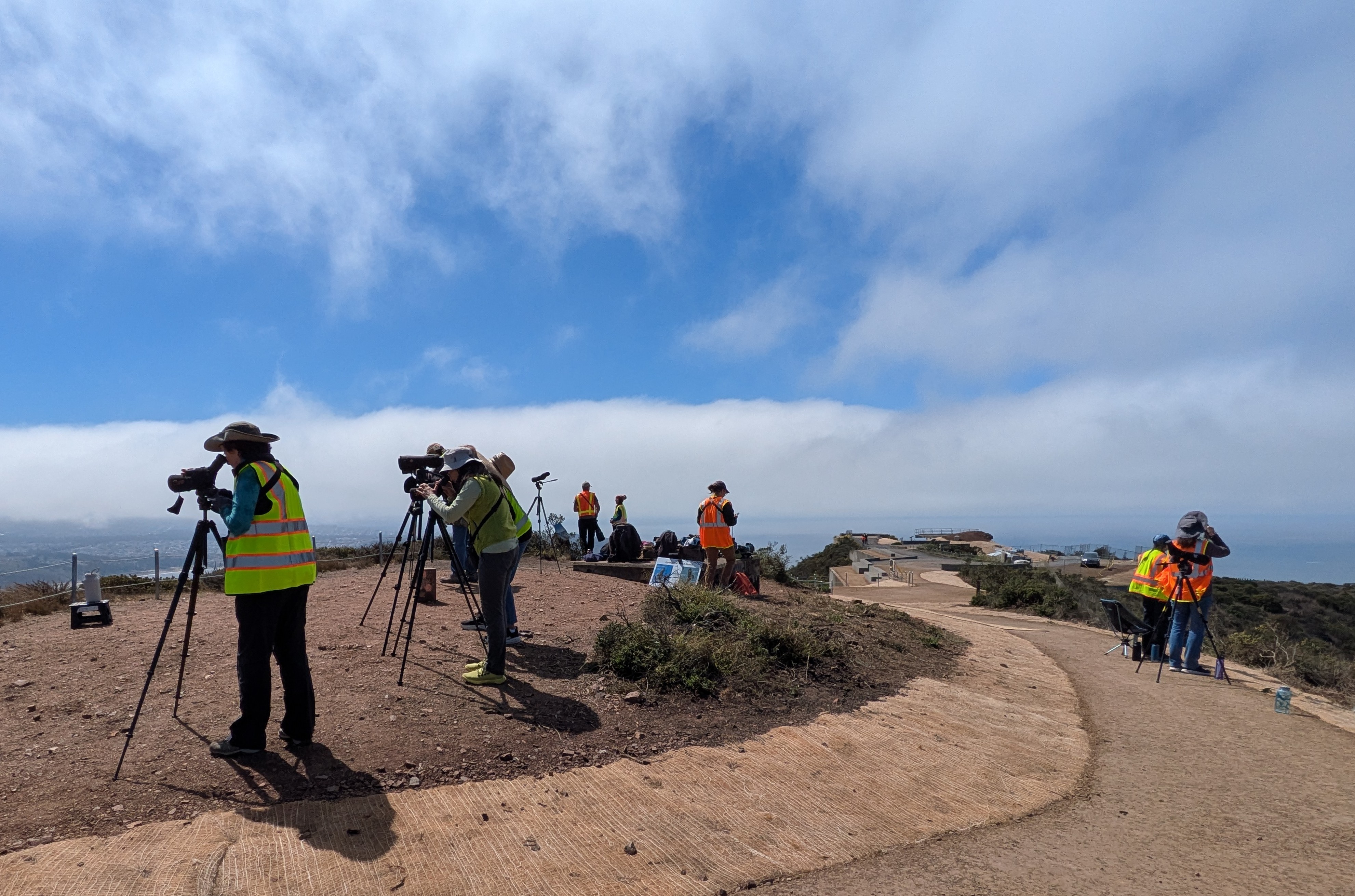
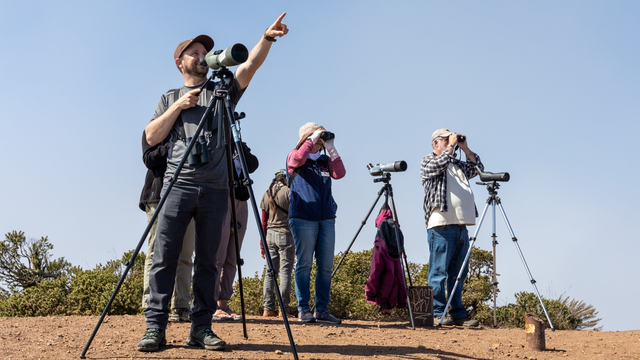
"What a day! Despite fog blanketing the hill in the morning, the weather improved quickly. The sun was shining, the breeze was moderate but steady, and the raptors were plentiful. The team was kept very busy with a steady stream of birds throughout the day, including many kettles of Broad-winged Hawks starting their migration in earnest...Our eyes are tired, but our hearts are happy!" - Hawkwatch Volunteer, Daily Hawk Count Blog, September 2025
Hawkwatch counted 184.18 hours this season, from August 11-September 30 and November 17-30. The shortened hours on the hill still provided us the opportunity to see 16 of the area’s 19 possible raptor species, leaving only Prairie Falcon, American Goshawk, and Swainson’s Hawk unchecked on our official count list. We counted 6,741 raptors, giving us an average rate of 35.13 raptors per hour. The top four most-sighted species remained Red-tailed Hawk, Turkey Vulture, Sharp-shinned Hawk, and Cooper’s Hawk, with Broad-winged Hawk and American Kestrel following closely behind.
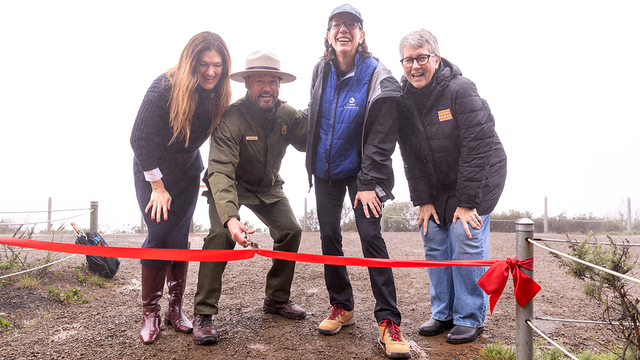
In addition, the Hawk Hill Visitor Improvement Project was completed this fall, showcasing native plantings, newly paved paths, informational signs, and benches. Although construction meant that visitors couldn’t access the hill until November, we happily welcomed visitors back to a more accessible Hawk Hill for the final weeks of migration.
See details about which species we saw and how many we counted in the table below.
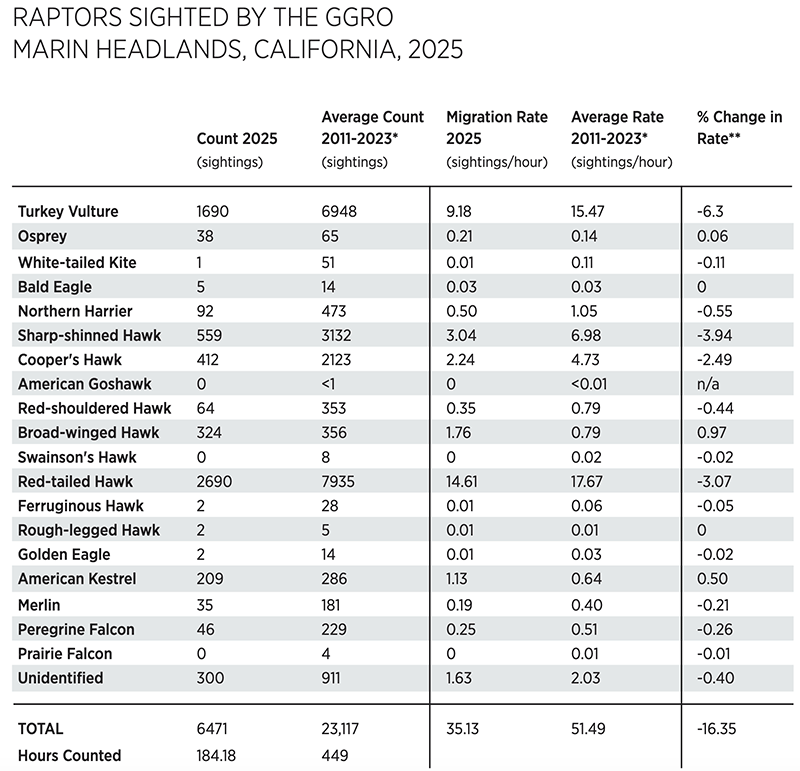
Data prepared by Lisette Arellano, Carmen DeLeon, Rose Fielding, and Gale Steck. If you would like to use these data, please email
tteb@cnexfpbafreinapl.betgro.ycnavresnocskrap@orgg
.
*The average count excludes survey years 2013, 2020, 2021, and 2024 due to large gaps in these data.
**Change in migration rate from the 2011-2023 average to 2025. The 2025 season was truncated to August 11-September 30 and November 17-30 due to a lapse in federal appropriations. Numbers are significantly lower due to the shortened season.
We can look at these counts over time in different ways to reveal aspects of the migration, and to see if there are trends. In the table above, for example, we see how our 2025 counts compare to the average counts of those species over the previous 10 years. Which species had a higher than average or lower than average year in 2025?
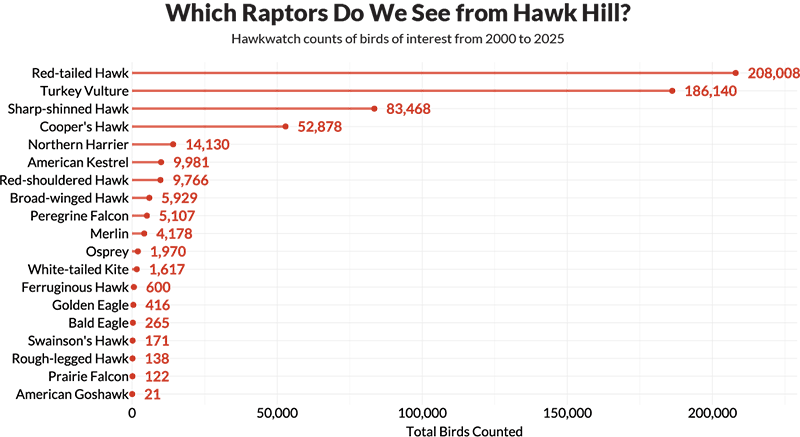
In the chart below, we've added up the yearly counts for each species to a grand total for the past 25 years. Which species have we seen the most of, or the least, at Hawk Hill during the fall migration over that period?
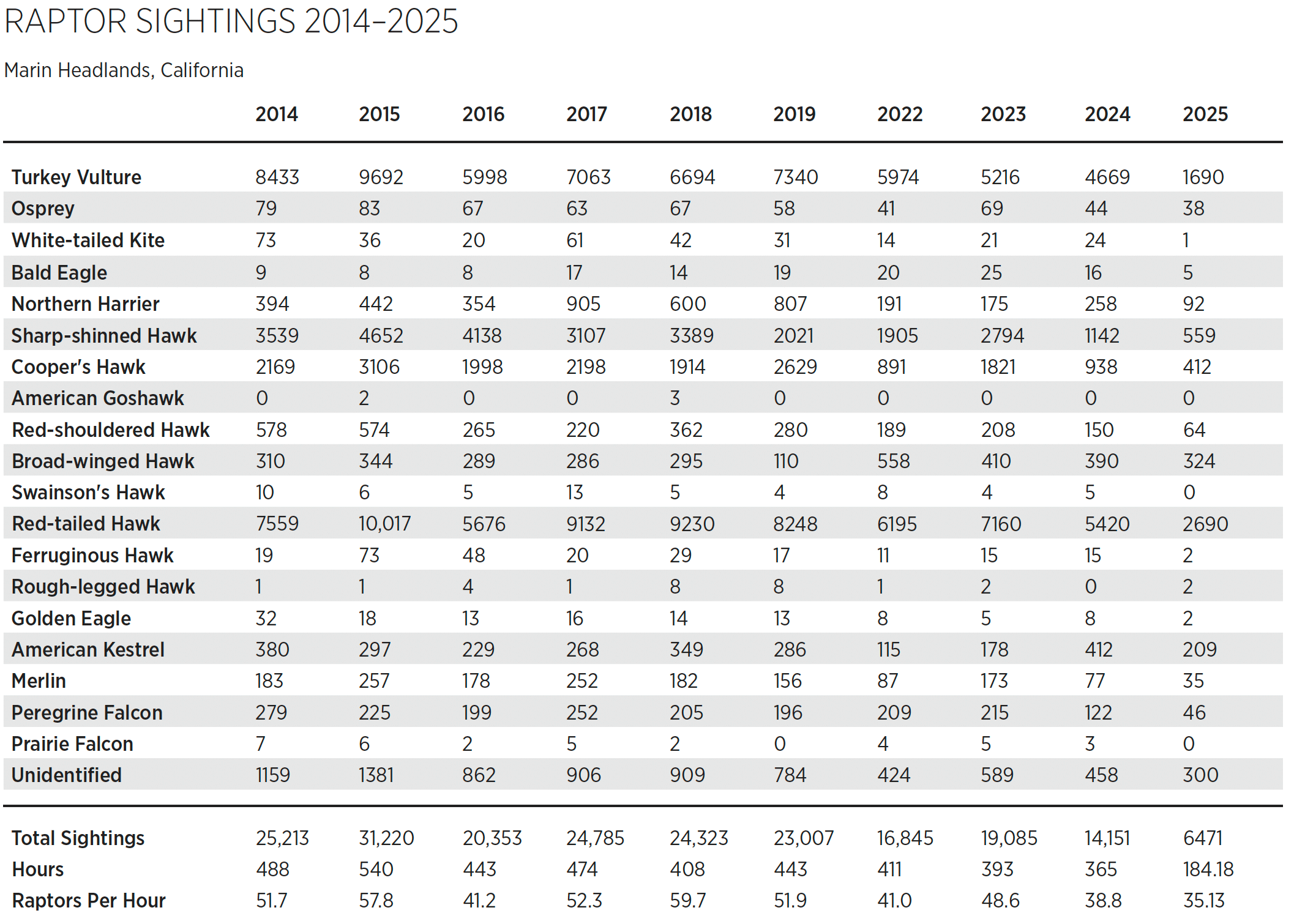
Below is another example. The table shows yearly Hawkwatch counts for the past 10 years, so we can see how much sightings for each species change from year to year. Can you see an increasing or decreasing trend in any species?
Data prepared by Lisette Arellano, Carmen DeLeon, Rose Fielding, and Gale Steck. If you would like to use these data, please contact us: tteb@cnexfpbafreinapl.betgro.ycnavresnocskrap@orgg .
The figures above give us total numbers of raptors sighted, either by year, on average, or in aggregate. But when do they arrive to the Bay Area throughout their annual fall migration? Below we see a visualization of four different species' appearance during the annual migration season over 30 years. Keep in mind this is meant to show the timing of each species relative to one another, not absolute number of sightings. What does the seasonal pattern look like for each species? When do they begin arriving to the area and when do we stop seeing them? Has this pattern changed for any species over time?
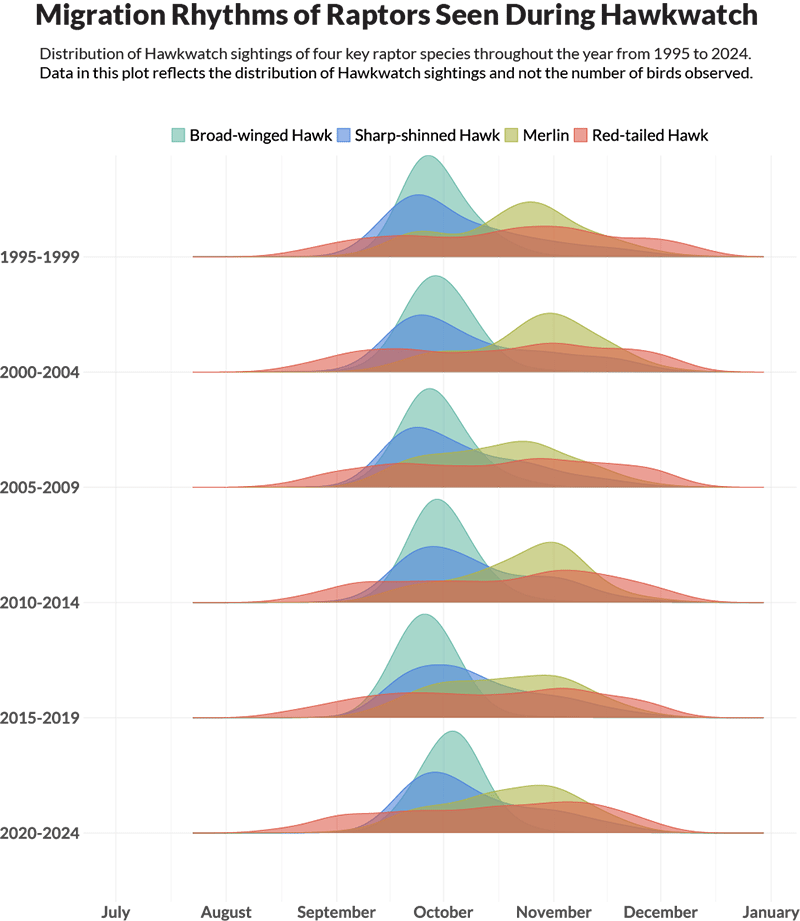
Understanding if and how a species' traditional migration timing could be changing is especially important in light of climate change. These kinds of long-term observations about raptor populations are possible because our volunteer-powered program has steadfastly collected data for decades.
Banding
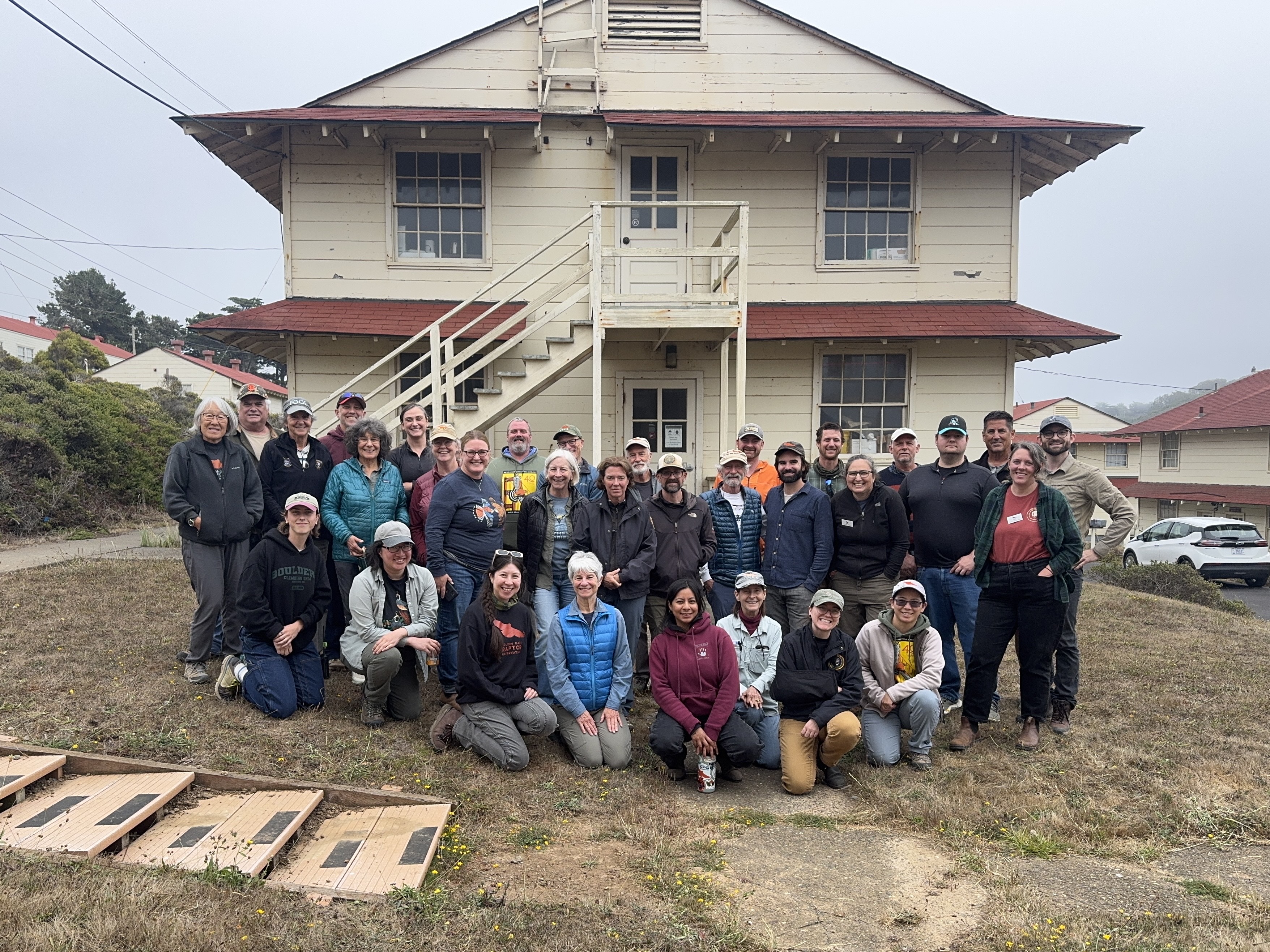
The 2025 banding season met with delays and interruptions which greatly shortened our time in the blinds. In addition to the lapse in federal appropriations, we adjusted and rose to the challenge of staffing the program and securing permits. We're grateful to our volunteers who persevered through another difficult season, and for the behind-the-scenes work it took to make this season happen.
We were able to band August 20-September 30 and November 17-December 4. We banded 413 raptors and did our best to collect standard morphometric measurements (information about size and shape) from each bird. We’ll look forward to the small percentage of band recoveries that will trickle in over the next few years—a few more bricks in the edifice of information collected on raptors of the Pacific Flyway.
See below details about which species, and how many of each, were banded.
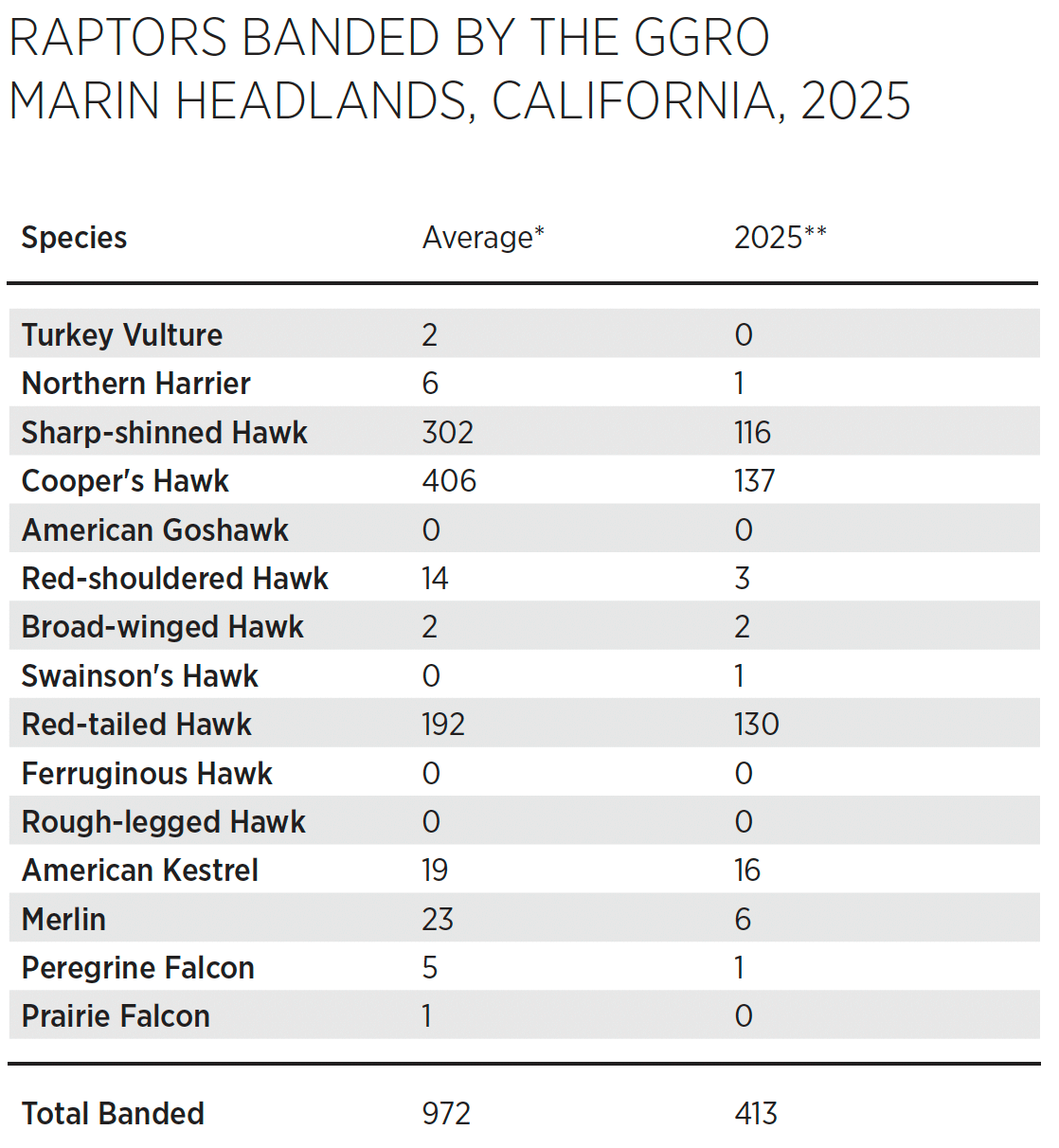
Data prepared by Carmen DeLeon, Gale Steck, Eric Jepsen, Alison Gee, and Calvin Hom. If you would like to use these data, please email
tteb@cnexfpbafreinapl.betgro.ycnavresnocskrap@orgg
.
*In 2021, the GGRO banding program switched from using four blinds to three, so the average for 2013-2023 include only data from these three blinds.
**The 2025 season was truncated to August 20-September 30 and November 17-December 4 due to a lapse in federal appropriations. Numbers are significantly lower due to the shortened season.
We also compare banding data from year to year to see trends. Below we share our banding program's history in terms of which species, and how many of each, were banded. Which birds have we been able to band the most of, or the least, over time?
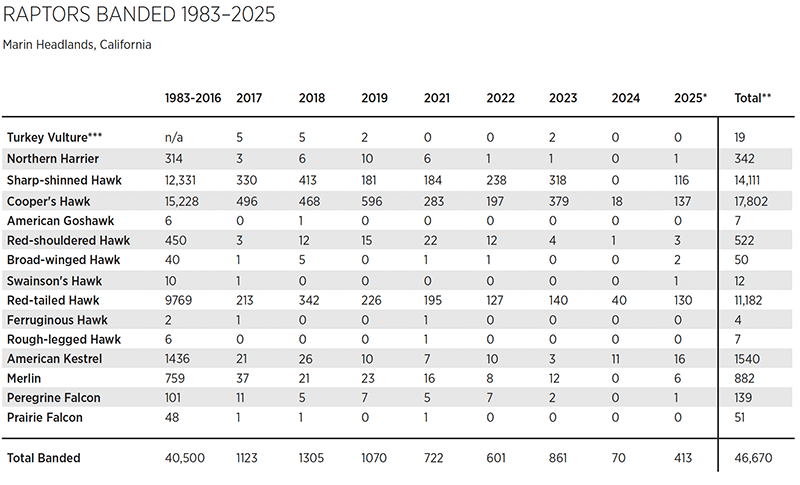
Data prepared by Carmen DeLeon, Gale Steck, Eric Jepsen, Alison Gee, and Calvin Hom. If you would like to use these data, please contact us:
tteb@cnexfpbafreinapl.betgro.ycnavresnocskrap@orgg
.
*The 2025 season was truncated to August 20-September 30 and November 17-December 4 due to a lapse in federal appropriations. Numbers are significantly lower due to the shortened season.
**Numbers have not been adjusted for changes in banding season start and end dates, daily start and end times, nor for reductions in number of blinds operated.
***The 2020 banding season was suspended due to the COVID-19 pandemic. However, five Turkey Vultures were tagged in 2020 in accordance with standard methods.
Back to Top
Research
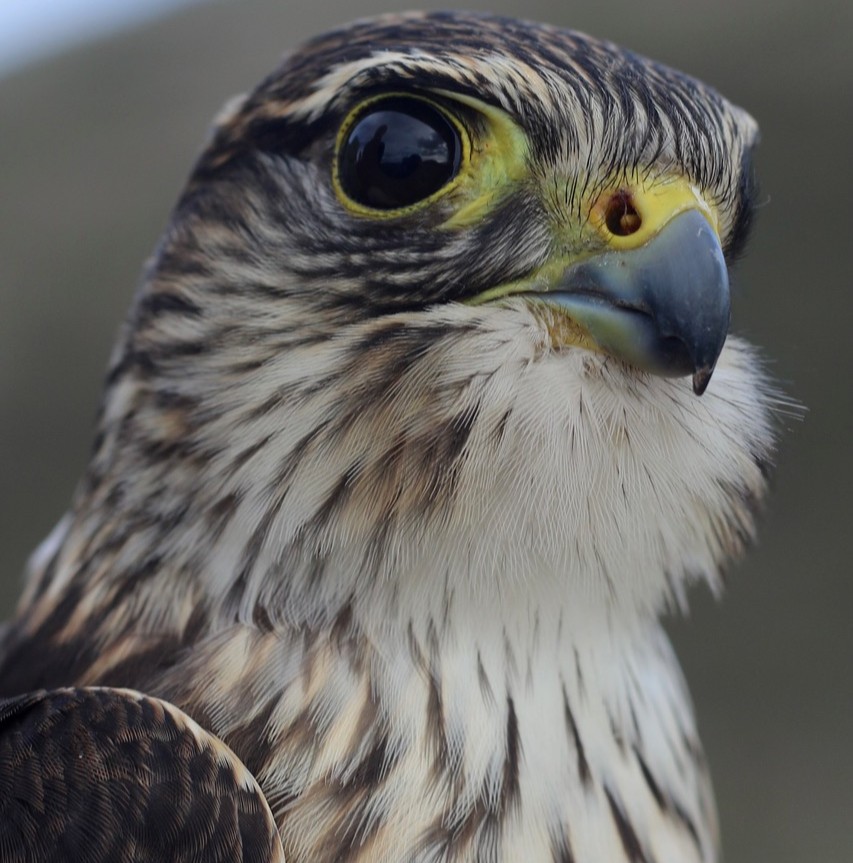
Advances in DNA analysis have allowed new inquiry into raptors’ prey preferences, and the GGRO has supported several such studies in recent years (see our publications page for links). This season, we supported the work of doctoral candidate and GGRO volunteer Mary Badger, who's leading a new study on what raptors eat specifically during migration.
We collected approximately 370 non-invasive eDNA (DNA that living things leave in their environment) swab samples from the culmens (upper ridge of a birds' beak) of migrating raptors. Mary's analyses will identify vertebrate (animals with backbones) prey species consumed shortly before banding. We'll see how the diets of raptors sharing the same skies in high numbers overlap or differ. This structuring of prey use during migration is a critical but poorly understood phase of the raptor annual cycle.
2025 PUBLICATIONS
The following scientific publications using GGRO data came out in 2025.
Briggs, C. W., Zellar, E. J., Fish, A. M., & Ely, T. E. (2025). Relationship between red-tailed hawk polymorphism and ectoparasite load. Journal of Raptor Research, 59(4). https://doi.org/10.3356/jrr2494
Ely, T. E., Bourbour, R. P., Dudek, B. M., Fish, A. M., Hull, A. C., Martinico, B. L., Skalos, S. M., Souza, L. E., & Briggs, C. W. (2025). Rings and Pings: band encounters and motus elucidate the overwintering locations and movements of Sharp-Shinned Hawks in Western North America. Journal of Raptor Research, 60(1). https://doi.org/10.3356/jrr2523
Fielding, K. R. (2025). Pacific Flyway Report, Golden Gate Raptor Observatory, California. Hawk Migration Studies, 51(1). https://view.publitas.com/hmana-1/volume-51-no-1-hawk-migration-studies/page/32-33
Lynch, E. (2025). Shifts in Autumn Raptor Migration Phenology on the Pacific Coast Flyway [Masters thesis, Sonoma State University]. http://hdl.handle.net/20.500.12680/1257b3132
Outreach
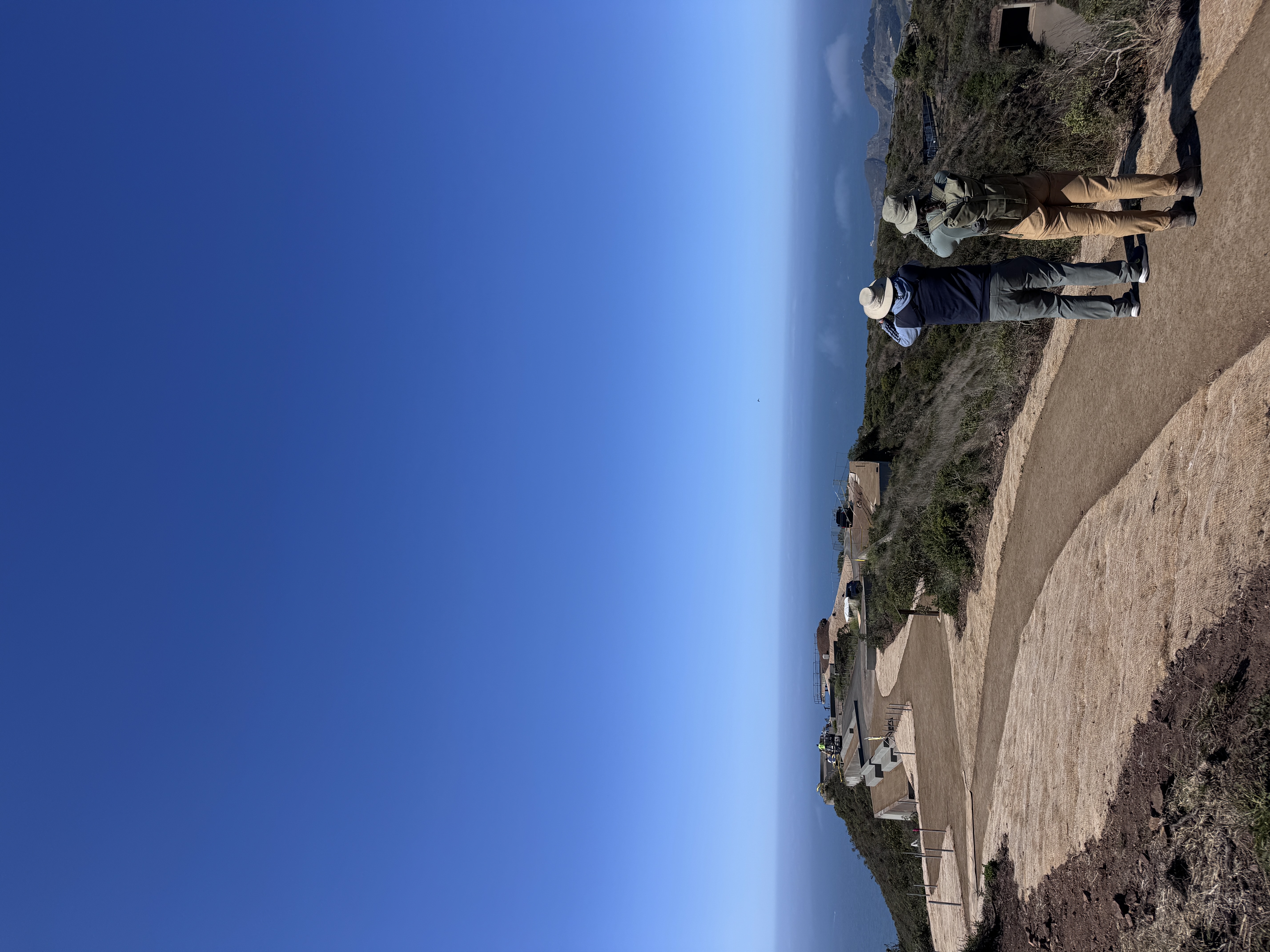
The GGRO team typically welcomes thousands of visitors to Hawk Hill during migration season. Due to the Hawk Hill Visitor Improvement Project, only staff and enrolled Hawkwatch volunteers were permitted in the count area during construction. Coupled with the lapse in federal appropriations, this meant most of our in-person outreach squad was in hibernation for the autumn, so this season was all about opportunity and patience until November.
GGRO outreach online included the Daily Hawk Count Blog and one news feature. Folks at home and watching the skies from neighboring viewpoints followed along with 65 blog posts chronicling Hawkwatch adventures through fog, peak season, and memorable bird sightings. NBC Bay Area featured a sneak peek at Hawk Hill behind the construction fence September 29, which spotlighted Hawkwatch and garnered over 5,000 views on YouTube. Claire Mooney, the Parks Conservancy’s Vice President, Park Projects and Conservation, and Alison Forrestel, NPS Division Chief, Natural and Cultural Resources, shared more about the improved paths, concrete seating areas, and extensive restoration to make the hill more accessible to the public. Hawkwatch Program Manager Rose Fielding brought viewers along for data collection explaining the daily experiences of counting raptors, observing attributes, and communicating with the quadrants. Other outlets followed, including KTVU, Marin Independent Journal, San Francisco Chronicle, and SF Gate.
After 15 years of extensive work to increase accessibility and improve habitat, the Hawk Hill Visitor Improvement Project was ready to welcome visitors in November. The Parks Conservancy’s Community Science and Community Engagement Teams leapt at the chance to get in one in-person outreach day, welcoming 214 visitors to the world of raptor migration science.
Thank you
We are so grateful to the volunteers who made the 2025 season a success, showing an unmatched resilience and commitment to community science. Thank you!
Don Bartling